Did you know that soon after birth, your baby can see shapes (or the lines where the light and dark meet), but lucky for new parents, they will prefer looking at familiar faces.
Since newborns can barely see beyond 15- 30 cm, your face is the perfect distance for them to stare at.

Here's why your baby will benefit from black-and-white images:
- Bold black-and-white images stimulate the optic nerves, which are still underdeveloped
- It encourages brain development without over-stimulation
- Engagement with contrasting images boosts babies' focus and can help extend their tummy time
- Gross motor skills rely on your baby's ability to distinguish shapes, estimate the distance, and coordinate their muscles to move correctly to reach something
- Proper stimulation can increase curiosity and memory

Your baby’s vision is one of the most important links to their new world, and there are many ways that you can incorporate visual stimulation in your daily rhythm.
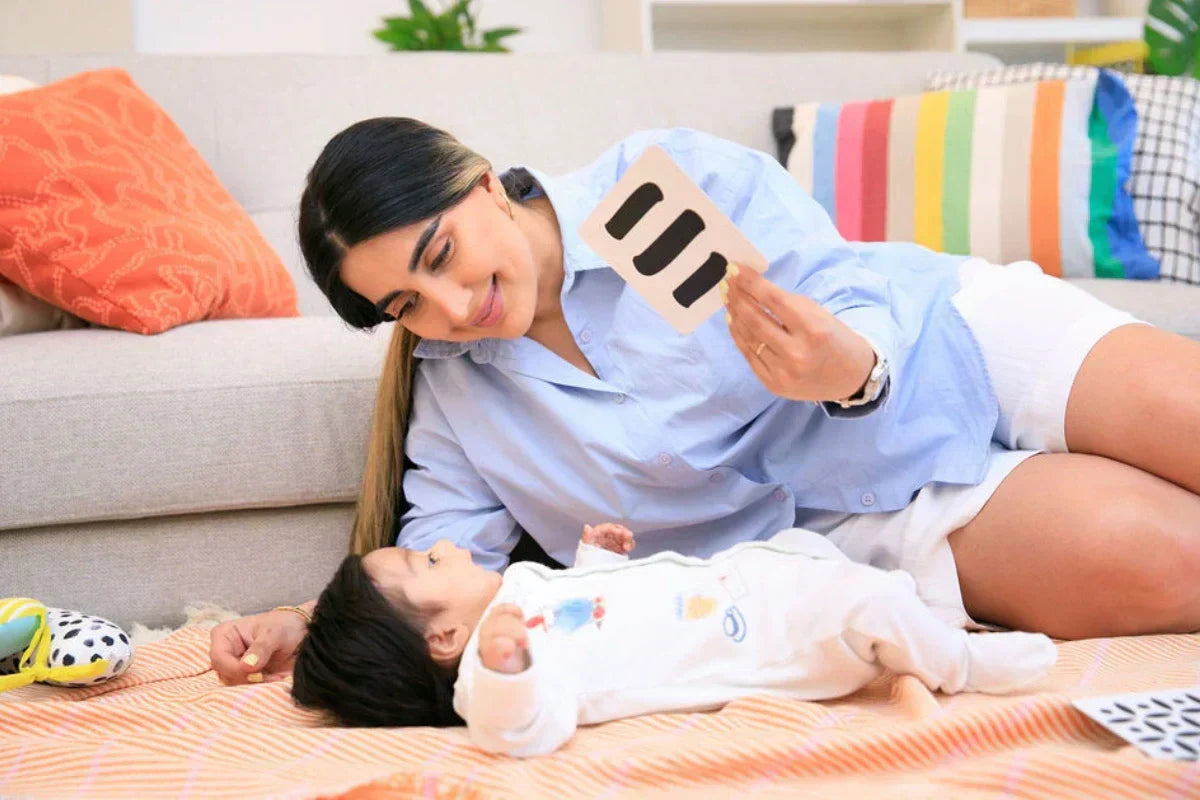
Face-to-face play time
Simply looking into your baby’s eyes and them looking back is a big step in their visual development. You can make a funny face. He will enjoy the novelty and look at your features, such as your lips and eyebrows.

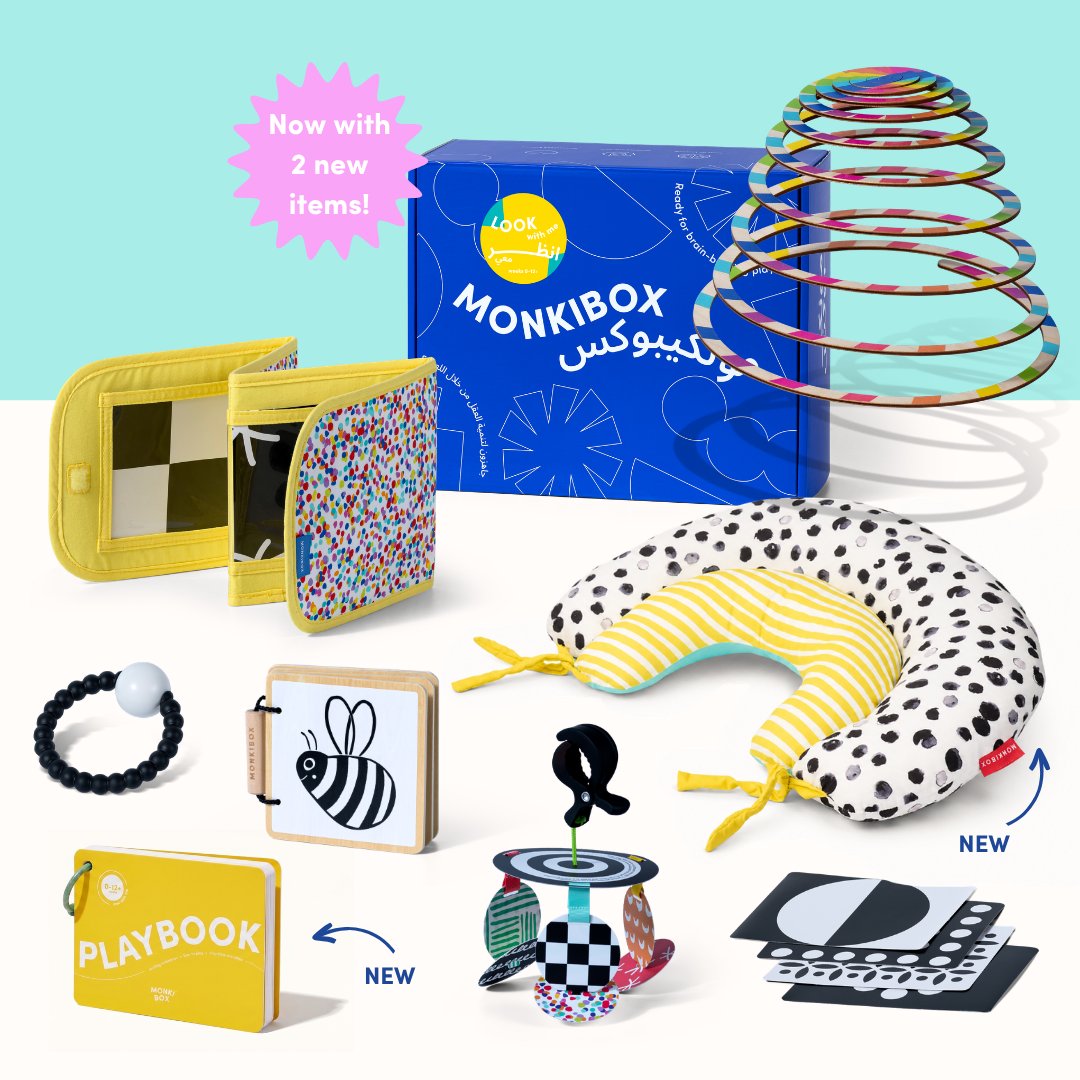
In photo: Complex Black & White Stimulation Cards from the Look With Me Play Box
Tummy time
Place black-and-white cards in front of your baby during tummy time (1-5 minutes on the floor per day is sufficient for newborns). As your baby gets stronger, put the card book in front of them, so they practice lifting their neck and chin.
Changing table or crib visual cards
Create a fun layout on the wall next to your baby’s crib, changing table and anywhere else your baby spends time. Make sure you swap sides so the baby can practise looking left & right, which will also help prevent flat head syndrome.

Bold fashion
Your baby's eyes are still "learning" to see, and sometimes the muscles aren't coordinated. This can result in your baby looking a little cross-eyed.

But if you notice a considerable and persistent difference, chat to your paediatrician on your next visit. Here is a great video demonstrating how well your baby can see at different ages.
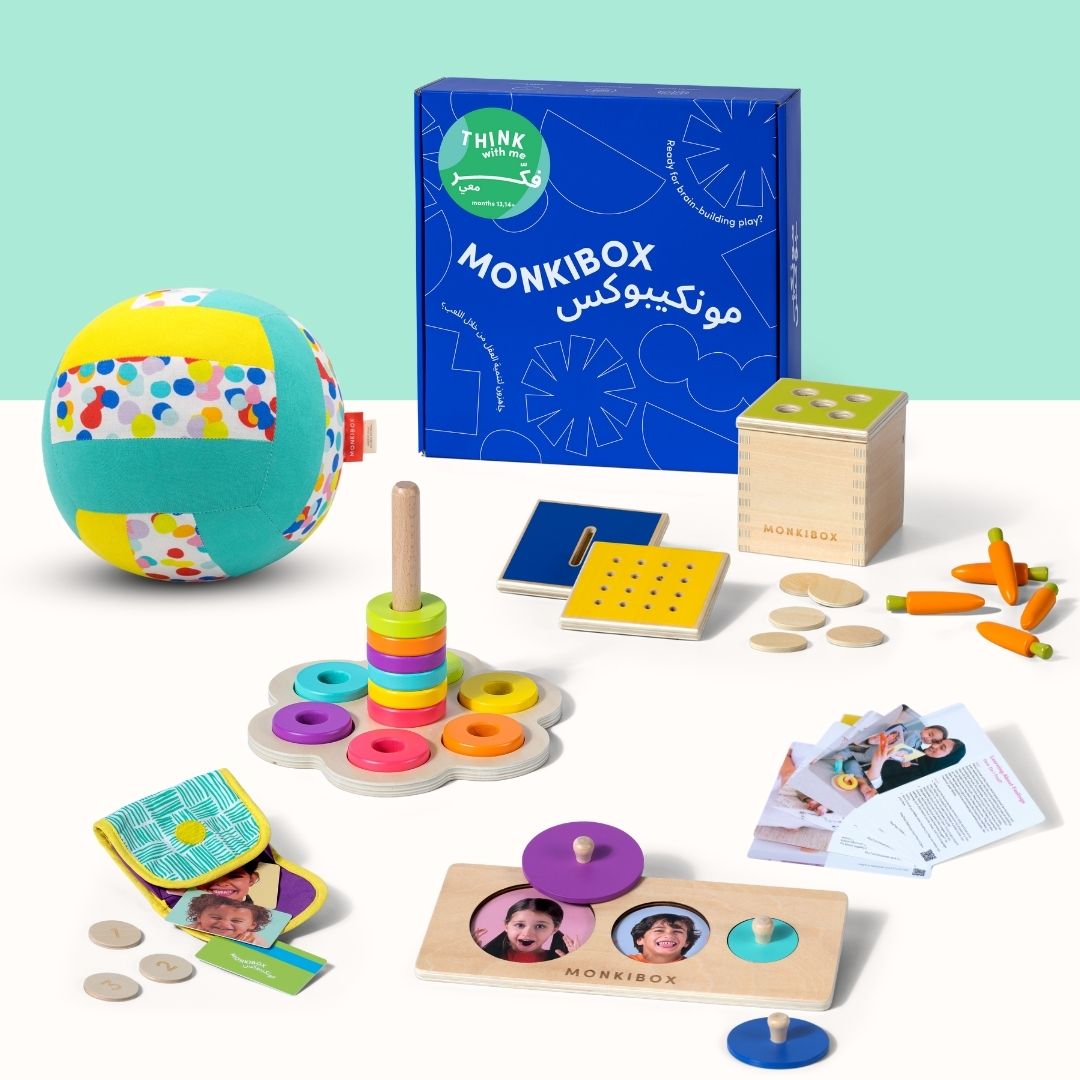
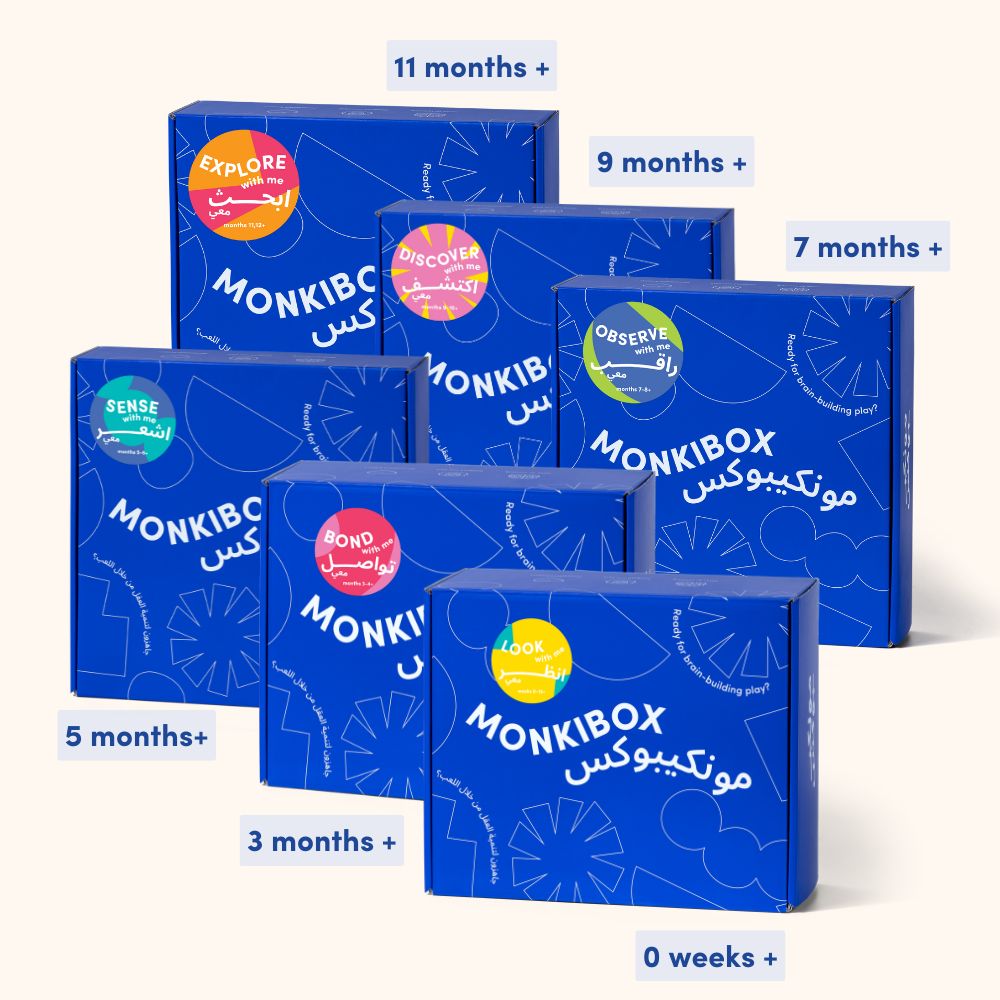
Start the development journey with MonkiBox. Montessori-inspired toys designed to give your child the best start.